IS YOUR BIG IDEA READY
TO GO WILD?
DON’T BE SHY. SAY HI TO UNLOCK CREATIVITY AND INNOVATION FOR YOUR SEAMLESS PROJECT

0

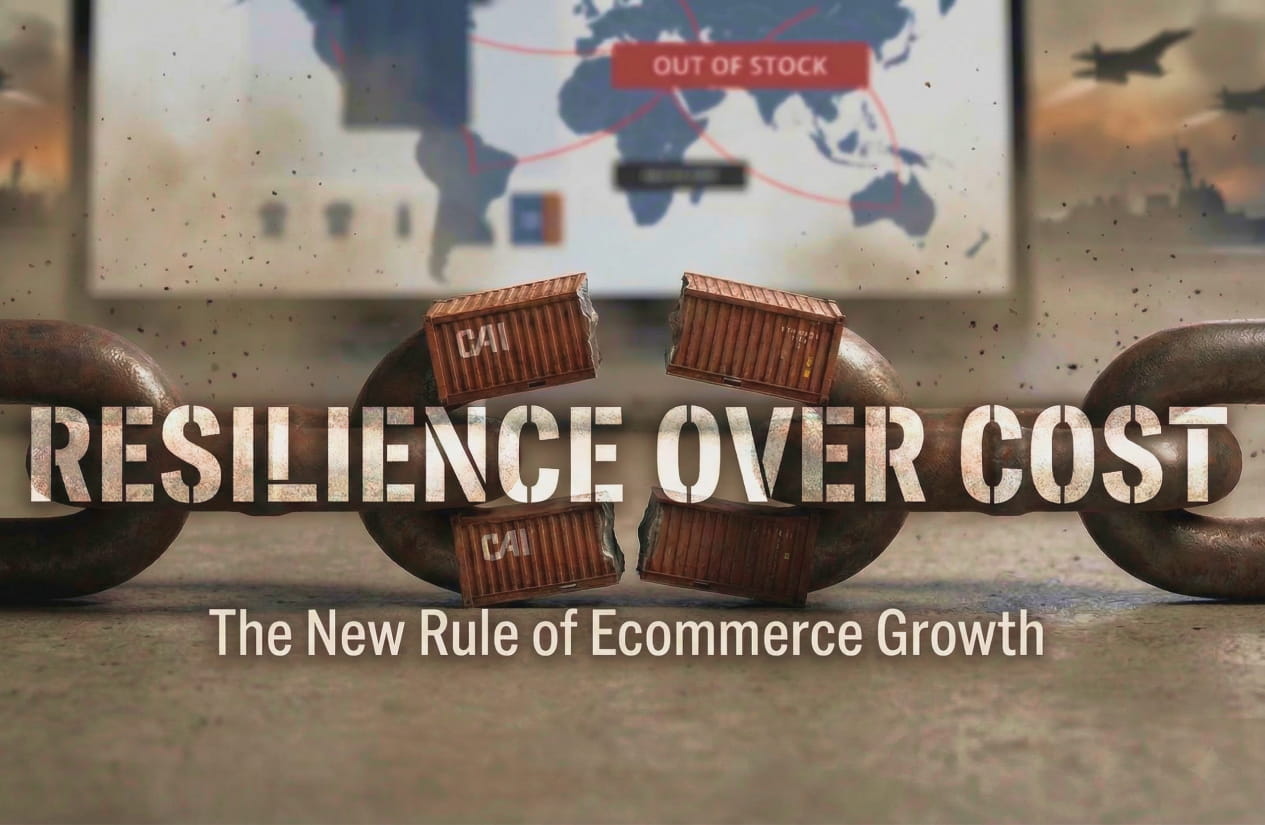
When missiles fly in the Middle East, most ecommerce sellers scroll past the headline. It feels distant. It feels political. It feels irrelevant to an online store selling clothes, gadgets, or home products in Pakistan. But global tensions involving countries like the United States, Israel, and Iran do not stay confined to news channels. They move oil prices. They influence shipping insurance. They disrupt cargo routes. And eventually, they squeeze margins for businesses that believe they are far removed from geopolitics.
The uncomfortable truth is simple: ecommerce is digital on the surface, but deeply physical underneath. Every product listed on a website has traveled through factories, ports, containers, and warehouses. When global uncertainty rises, that entire chain becomes fragile. Oil prices increase, freight rates follow, container availability tightens, and delivery timelines stretch. A restock cycle that once took 25 days can quietly turn into 45. For an online seller depending on consistent inventory turnover, that delay is not minor. It is revenue lost, ads wasted, and customers disappointed.
Many ecommerce brands operate on a predictable import model. Source from overseas, ship in bulk, sell online, repeat. In stable times, this model maximizes cost efficiency. But in volatile times, efficiency without control becomes a liability. When freight costs jump by 20 or 30 percent, the landed cost per unit rises instantly. Brands must either increase prices and risk losing customers or absorb the hit and watch margins shrink. Neither option is comfortable.
Now imagine two clothing brands selling similar products online. One imports ready-made garments from abroad. The other manufactures locally in Faisalabad. When international freight rates surge, the importing brand sees its costs rise and its restocking cycle slow down. Price adjustments become unavoidable. Campaign profitability becomes unpredictable. Meanwhile, the locally manufacturing brand experiences relatively stable production timelines and fewer cost shocks. It can replenish stock faster, test new designs quickly, and respond to demand shifts without waiting for containers to clear ports. In uncertain markets, predictability becomes power.
Consumer psychology also shifts during global instability. In uncertain environments, buyers gravitate toward signals of reliability. “Locally made” carries an implicit promise of faster delivery and better accountability. When delivery delays become common across imported goods, brands with local supply chains can position themselves as dependable alternatives. What was once just an operational decision quietly transforms into a marketing advantage.
The real danger lies not in rising costs alone but in delayed reaction. Imagine freight costs increasing sharply while your inventory is still on water. Your ads are running. Orders are coming in. But your next shipment is weeks late. Customers begin facing stockouts. Refund requests increase. Ad algorithms penalize inconsistency. Meanwhile, a competitor sourcing locally continues delivering within promised timelines. Market share does not disappear dramatically; it erodes quietly.
This does not mean imports should be abandoned. A hybrid model is often the smartest path forward. Core, high-demand products can be manufactured locally to ensure supply security, while specialized or niche items may still be imported strategically. Diversifying suppliers and building buffer stock for bestsellers can reduce risk concentration. The goal is not isolation from global trade but insulation from its volatility.
When markets are calm, the lowest cost supplier often wins. When markets are unstable, the most resilient business survives. Local manufacturing provides more than cost savings; it provides control. Control over timelines. Control over quality. Control over cash flow. And in ecommerce, control directly impacts growth.
Global tensions will continue to rise and fall. Oil prices will fluctuate. Shipping routes will occasionally tighten. Businesses cannot influence these macro forces. But they can decide how exposed they want to be. In a volatile world, local manufacturing is no longer just an operational choice. It is a strategic hedge against uncertainty. And for brands willing to think long term, it may quietly become their most powerful competitive advantage.